Get Notified

Find emergency and non-emergency numbers and information about UBC Alert emergency notifications here.

Preparing for Climate Emergencies

Click on each card below to learn about potential impacts and how to prepare for them.

Extreme Heat
Read More
Wildfire Smoke
Read More
Drought
Read More
Extreme Precipitation & Flooding
Read More
Social Connectedness
Read More

Drought

  • Why Droughts are Harmful

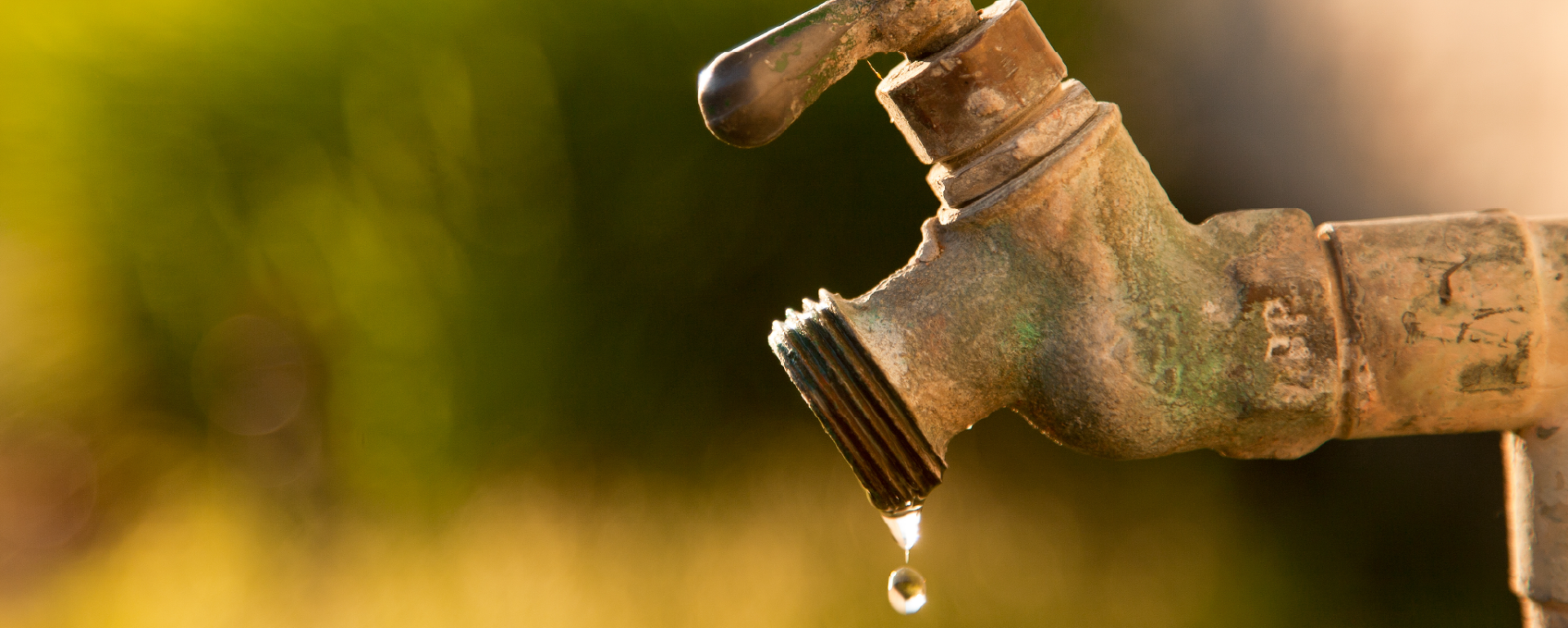
    Climate change is altering the frequency, severity and duration of droughts. Droughts can cause impacted communities to experience a water shortage. Local governments may restrict the use of water for certain activities.

    Extended drought can also produce dry, dusty conditions that decrease air quality.

    Though droughts have not had serious impacts on drinking water in Vancouver to date, they may in the future.

  • People at Higher Risk

    It is important to remember that people experience drought events differently. Some residents are more vulnerable to the effects of drought. This includes:

    • People with chronic health conditions, including immune-suppressing conditions, cardiovascular disease and mental illness.
    • Older adults, infants and young children, and pregnant people
    • People facing financial and language barriers.
  • Protect Yourself & Others

    It’s easier to stay safe and take action when you are prepared. Below are some steps you can take to be prepared for droughts.

    Preparing for drought conditions:

    • Consider making small changes to use less water at home if you’re able, like investing in water-efficient taps and appliances. More ways to save water can be found here.
    • Bottled water is an important part of your emergency kit.
    • If you are buying or replacing outdoor plants, consider drought tolerant varieties.
    • If you hear your toilet tank filling without being used, check it for leaks.
    • Consider talking to your building manager about collecting rainwater for watering.

    Conserving water during a drought:

    • Follow Metro Vancouver’s water restrictions when in effect.
    • Indoor water saving tips
      • For example: take shorter showers, run full loads of laundry, fill the sink if washing by hand.
    • Outdoor water saving tips
      • For example: Clean outside with a broom instead of a hose, check plumbing and hoses for leaks, skip the car wash.
  • What the UNA is Doing
    • Responds to Metro Vancouver’s watering restrictions during drought periods.
  • Resources

    Below are resources with more information related to droughts:

Emergency Supports

Emergency management for the UNA community is shared between UBC Safety & Risk Services, the UNA and Metro Vancouver. To view the UNA Emergency Preparedness Guide, visit the UBC Safety & Risk Services website here.

See what the UNA is doing to support climate emergency preparedness under each Hazard of Concern.